

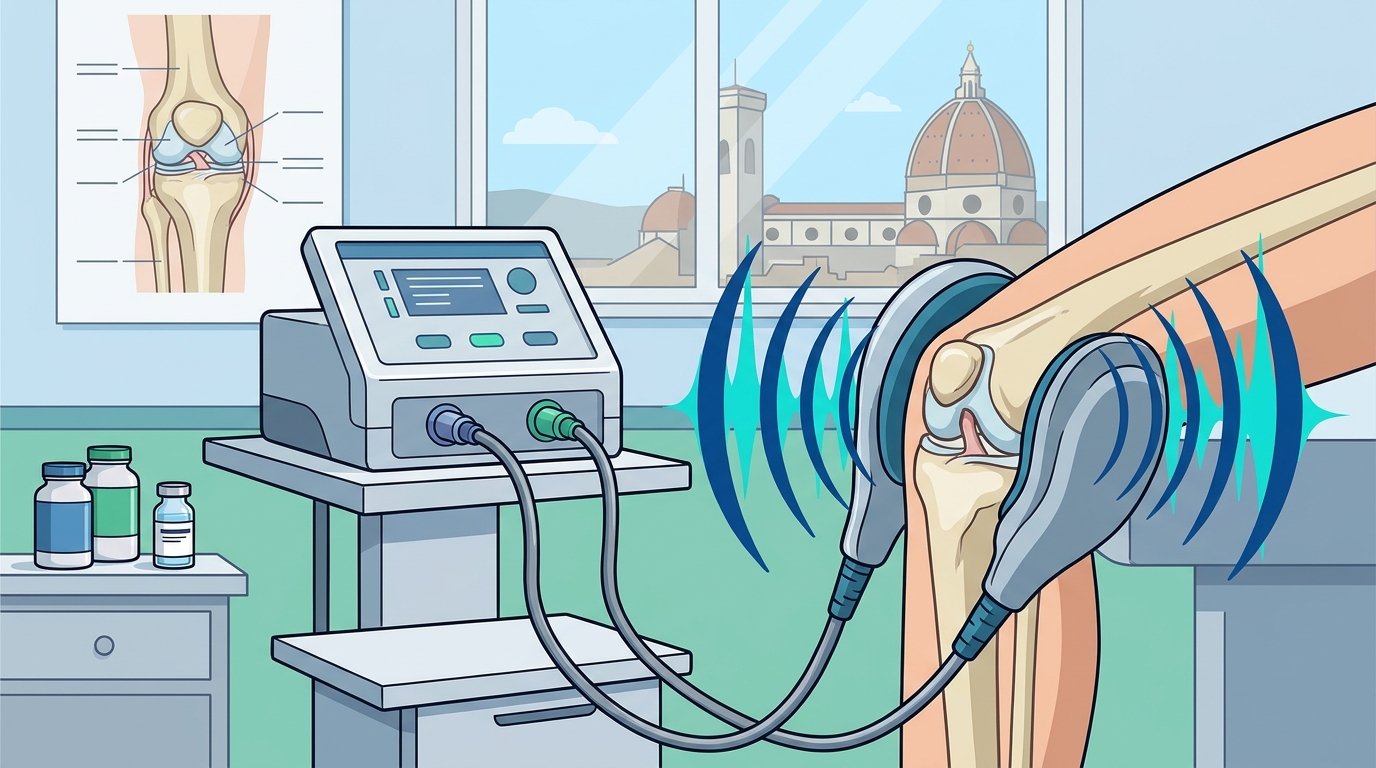
Synergistic magnetotherapy works by combining high and low-frequency magnetic fields to simultaneously reduce acute inflammation and promote deep tissue regeneration. This dual-frequency approach allows the therapy to address both the immediate pain and the underlying structural damage in joints. By modulating cellular electrical potentials, it helps restore normal physiological function without the side effects associated with long-term pharmaceutical use. For additional details, review the Apparecchi per Magnetoterapia Alta.
The Cellular Mechanism of Action
When a joint is injured or affected by a chronic condition, this voltage drops significantly. If it falls below 50 mV, cellular activity slows down, and if it drops below 30 mV, the cell may undergo necrosis. The magnetic fields generated by the device act like a charger for these biological batteries. By re-polarizing the membrane, the therapy restarts the biological processes necessary for repair and regeneration. For additional details, review the Artrite Cause Sintomi e.
Why Synergy Matters: High and Low Frequencies
The term synergistic magnetotherapy refers to the simultaneous application of two distinct frequency ranges: high frequency and low frequency. This combination is not merely additive; it creates a therapeutic synergy that addresses different physiological needs at the same time.
High-frequency fields, which can reach up to 15,000 Hz in professional devices, are particularly effective for soft tissues. They penetrate deeply to reduce acute inflammation, edema, and pain. In contrast, low-frequency fields (typically below 100 Hz) are better suited for stimulating bone calcification and long-term tissue regeneration. By combining both, the treatment can manage the inflammatory phase while simultaneously supporting the structural integrity of the joint.
Clinical Applications for Joint Pathologies
Similarly, for conditions like rheumatoid arthritis or fibromyalgia, the therapy helps normalize the sodium-potassium pump in cells. This is crucial for proper nerve signal transmission and pain perception. By stabilizing the cellular environment, the treatment can reduce the hypersensitivity to pain that often characterizes these chronic conditions.
Safety Profile and Patient Experience
One of the primary advantages of magnetotherapy is its excellent safety profile. It is a non-invasive treatment that does not involve chemicals, radiation, or surgical intervention. Most patients report a sensation of mild warmth or muscle relaxation during the session, with no significant adverse effects.
However, it is important to note that while generally safe, the therapy is not suitable for everyone. Individuals with pacemakers or certain types of metal implants should consult their physician before starting treatment. The non-invasive nature of the therapy makes it an attractive option for patients who wish to reduce their reliance on anti-inflammatory drugs, which can have gastrointestinal and cardiovascular side effects over time.
Implementing a Personalized Treatment Plan
Effective treatment requires a personalized approach. At Biomedic Healthcare, we emphasize the importance of a customized therapeutic plan. This involves analyzing medical and radiological reports to determine the specific frequency and intensity settings required for each patient's condition.
The treatment is often conducted at home using professional-grade devices. This allows for consistent, daily application, which is key to achieving long-term results. The flexibility of home treatment, combined with professional guidance, ensures that the therapy is tailored to the individual's specific needs and lifestyle.
Key Takeaways
- Synergistic magnetotherapy combines high and low frequencies to address both inflammation and tissue regeneration.
- The therapy works by re-polarizing cell membranes, restoring their electrical potential to normal levels.
- The treatment is non-invasive and generally well-tolerated, with a favorable safety profile.
- Personalized protocols, based on medical reports, are essential for maximizing therapeutic outcomes.
- Home-based treatment allows for consistent application, which is crucial for chronic conditions.
Frequently Asked Questions
What is the difference between high and low frequency in magnetotherapy?
High frequency (up to 15,000 Hz) is used for deep penetration to reduce acute pain and inflammation in soft tissues. Low frequency (below 100 Hz) is used to stimulate bone regeneration and long-term tissue repair.
How long does a typical treatment session last?
Session duration varies depending on the specific condition and the device used, but it typically ranges from 20 to 60 minutes. Consistency is more important than duration for achieving results.
Is magnetotherapy safe for people with metal implants?
Generally, it is safe, but individuals with pacemakers or specific types of implants should consult their doctor before starting treatment to ensure there are no contraindications.
Can magnetotherapy replace surgery for joint problems?
Magnetotherapy is a complementary therapy. While it can significantly reduce pain and improve function, it may not replace surgery in advanced cases of joint destruction. It is often used to delay or avoid surgical intervention.