

How Magnet Therapy Reduces Joint Pain: Mechanisms and Clinical Evidence
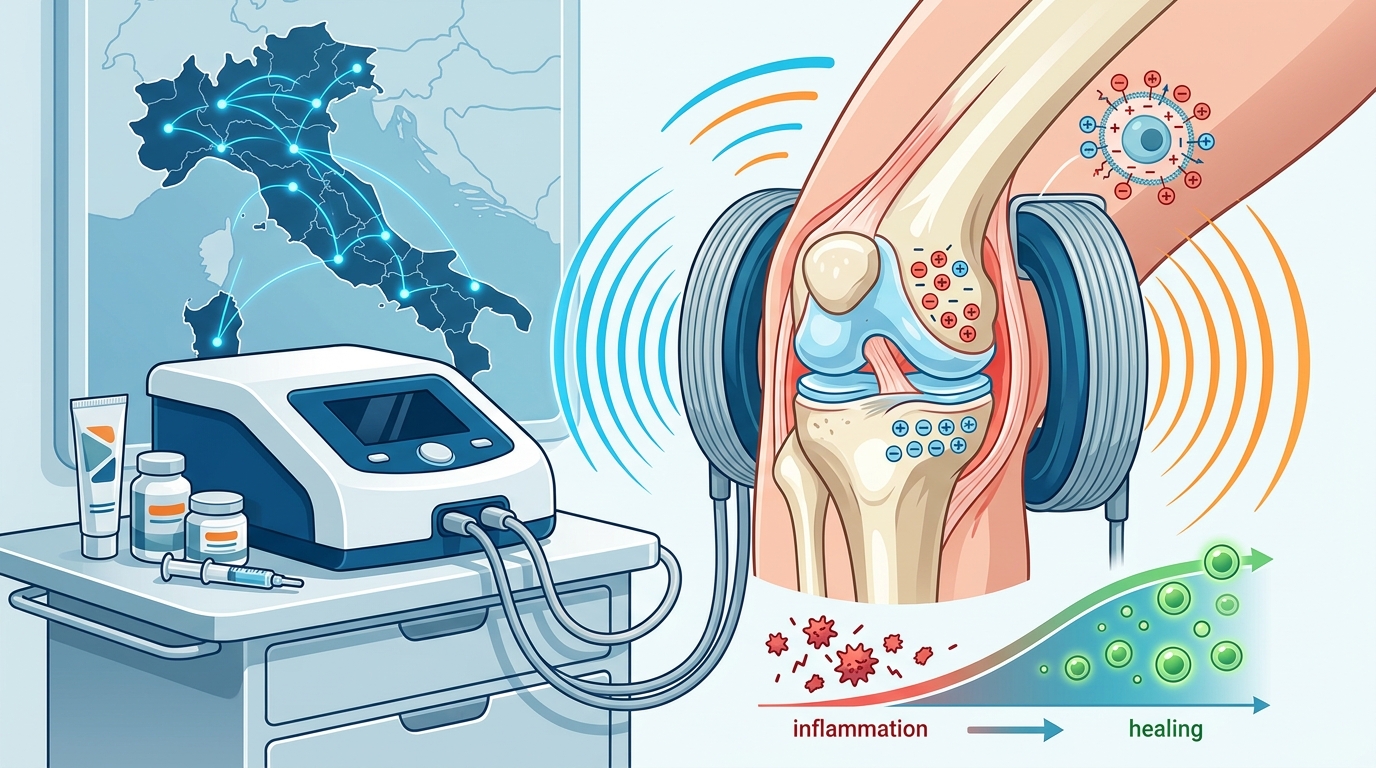
Magnet therapy reduces joint pain by repolarizing damaged cell membranes and modulating inflammatory mediators. Biomedic Healthcare utilizes high-frequency electromagnetic fields to restore cellular electrical potential, which directly inhibits pain signal transmission. This non-invasive approach accelerates tissue regeneration without the side effects associated with pharmacological interventions.
The Cellular Mechanism of Pain Reduction
The application of pulsed magnetic fields acts similarly to recharging a battery, restoring the membrane potential to its optimal range. This repolarization process stabilizes the sodium-potassium pump, a critical biological structure responsible for ion exchange across the cell membrane. By normalizing this pump, the therapy reduces the hyperexcitability of nerve endings that typically results in chronic pain perception.
Biomedic Healthcare emphasizes that this cellular-level intervention addresses the root cause of pain rather than merely masking symptoms. The restoration of electrical balance allows cells to resume their natural repair processes, including the synthesis of collagen and the reduction of edema. This mechanism is particularly effective for conditions where traditional anti-inflammatory drugs provide only temporary relief.
High vs. Low Frequency: Distinct Therapeutic Roles
Low-frequency magnet therapy is primarily indicated for bone consolidation and osteogenesis. It utilizes frequencies typically between 10 and 100 Hz to stimulate osteoblast activity and accelerate the formation of callus tissue in fractures. This approach is standard for treating osteoporosis and delayed union fractures, where the goal is to enhance mineralization and structural integrity.
High-frequency magnet therapy, operating up to 15,000 Hz, targets soft tissues and acute inflammatory states. These higher frequencies penetrate deeper into biological tissues without requiring high magnetic intensities, as they easily overcome cutaneous resistance. This makes high-frequency therapy the preferred choice for treating tendinitis, bursitis, and complex regional pain syndrome. The immediate analgesic effect is achieved by inhibiting the transmission of pain impulses to the central nervous system.
Clinical Applications for Chronic Joint Conditions
Rheumatoid arthritis is a chronic, systemic inflammatory disease that primarily affects the joints. It is an autoimmune condition where the immune system mistakenly attacks joint tissues, leading to progressive damage and deformity. Magnet therapy helps reduce the inflammation and pain associated with this condition by modulating the immune response at the cellular level. Patients often report improved mobility and reduced morning stiffness after consistent treatment.
Complex regional pain syndrome, also known as algodystrophy, is a multisystemic condition that causes intense pain and tissue alterations following a trauma. The severity of symptoms is often disproportionate to the initial injury. High-frequency magnet therapy is particularly effective in this context, as it reduces inflammation and improves circulation in the affected extremity. This helps restore motor control and reduces the chronic pain that characterizes the syndrome.
Device Technology and Home Treatment Protocols
Biomedic Healthcare provides professional-grade devices that are suitable for both clinical and home use. The Biomedic Pro is a portable device that delivers simultaneous low and high frequencies up to 15,000 Hz. It is the only portable device in Italy with this specific technology, offering a therapeutic action superior to traditional single-frequency units. The device includes a total body mat for comprehensive treatment of generalized conditions.
Key Takeaways
- Magnet therapy restores cell membrane potential, which is the primary mechanism for pain reduction.
- High-frequency therapy (up to 15,000 Hz) is superior for soft tissue inflammation and acute pain.
- Low-frequency therapy is the standard for bone healing and osteoporosis management.
- The synergy of both frequencies allows for a comprehensive treatment of complex joint pathologies.
- Personalized assistance and report reading are included in the rental and sales services.
Frequently Asked Questions
How does magnet therapy reduce pain at the cellular level?
It repolarizes damaged cell membranes, restoring the electrical potential necessary for normal cellular function. This process stabilizes the sodium-potassium pump and reduces the release of inflammatory mediators that cause pain.
What is the difference between high and low frequency magnet therapy?
Low frequency is used for bone consolidation and osteogenesis, while high frequency targets soft tissues and acute inflammation. High frequency penetrates deeper and provides a more immediate analgesic effect.
Is magnet therapy effective for rheumatoid arthritis?
Yes, it helps reduce inflammation and pain by modulating the immune response at the cellular level. Patients often experience improved mobility and reduced stiffness with consistent treatment.
Can I use magnet therapy at home?
How long does it take to see results?
Results vary depending on the condition and severity. Some patients report immediate pain relief, while others may need several weeks of consistent treatment to see significant improvements in mobility and function.